
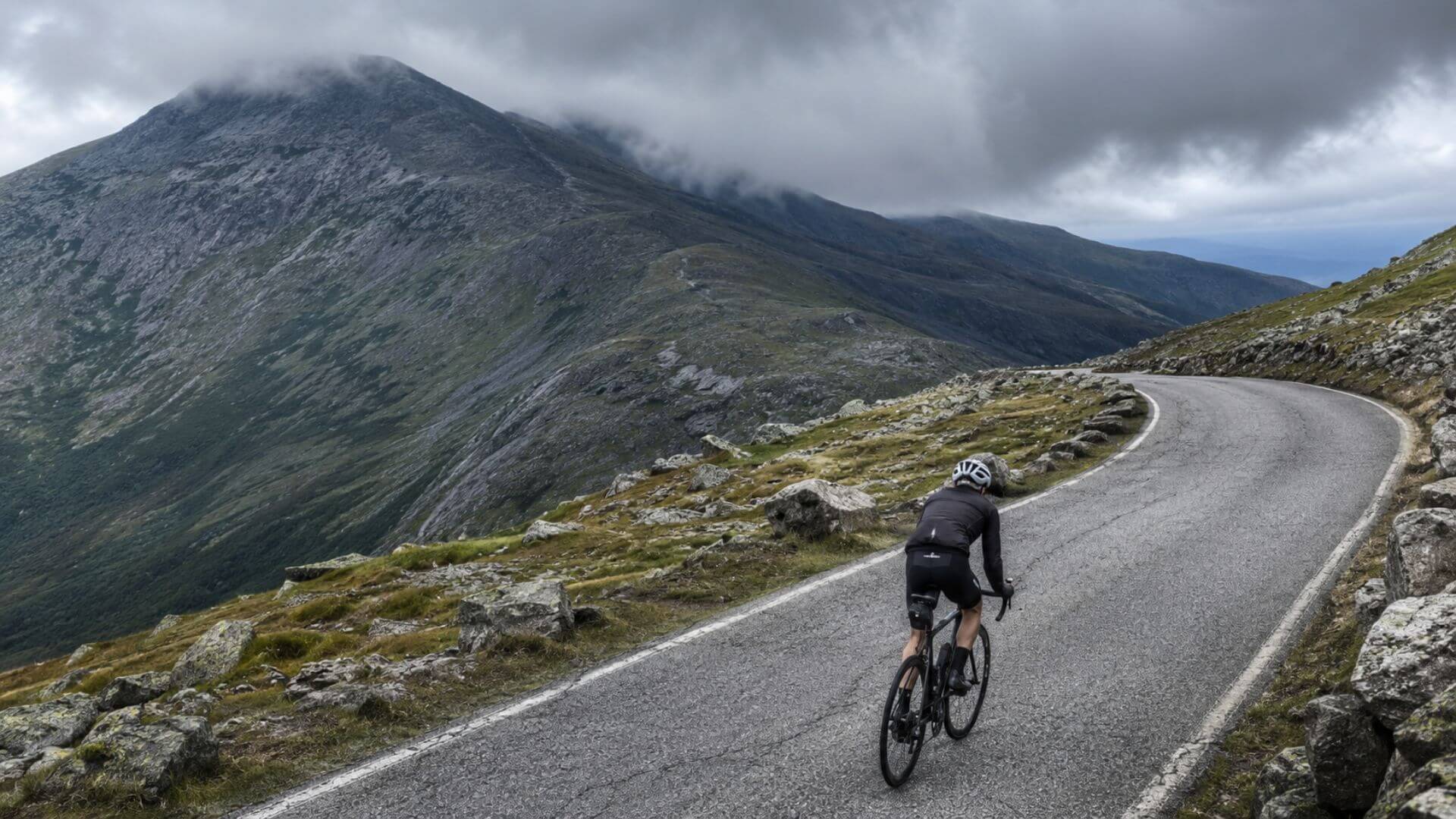
Every third Saturday in August, a few hundred cyclists line up at the base of the Mount Washington Auto Road and do something most people would call unreasonable: ride a bike, uphill, for 7.6 miles, with an average grade of 12 percent and a final stretch so steep it’s simply called “the Wall.” In 2026, that day falls on August 15, with a rain date of August 16 if the weather doesn’t cooperate.
It’s been called the toughest bicycle hillclimb in the country, and after watching a few hundred riders grind up the final 22 percent pitch to the summit, it’s hard to argue. If you’re spending part of your August in the White Mountains, here’s what the race actually involves, where you can watch it, and how to plan a stay that puts you close enough to make it worth the trip. Bretton Woods Vacations manages 125+ curated vacation homes across the region, on both sides of the mountain, so whichever base you pick, there’s a place nearby that fits.
THE RACE: WHAT’S ACTUALLY HAPPENING ON AUGUST 15
The Mount Washington Auto Road Bicycle Hillclimb, known to regulars as MWARBH, is holding its 53rd annual edition in 2026, making this one of the longest-running bike races in the country. It benefits the Tin Mountain Conservation Center, which uses race proceeds to fund environmental education programs, and it’s the organization’s largest fundraiser of the year.
The route is simple to describe and brutal to ride: 7.6 miles, one way, entirely uphill, starting at the Auto Road toll booth and finishing at the summit of Mount Washington, the highest peak in the Northeast at 6,288 feet. The average grade across the whole climb is about 12 percent, with extended sections steeper than that, and the final 50 yards kick up to a genuinely absurd 22 percent. Riders climb through forest for the first few miles, then break out above the treeline into open, exposed terrain with views across the Presidential Range, weather permitting. The mountain’s summit still holds the record for the highest wind speed ever directly measured by a staffed weather station anywhere on Earth, a 231 mph gust recorded in 1934, so “weather permitting” is doing real work in that sentence.
Based on the event’s own timing structure, the road closes to automobile traffic at 8am and official race timing ends at 12:05pm, three hours and five minutes after the start, which puts the actual start around 9am. Roughly 500 riders take part in a typical year, some racing seriously and others simply trying to finish. Most take well over an hour to reach the top.
Riders are not allowed to bike back down. Everyone descends by car, arranged in advance with a support driver, which is part of why the Auto Road closes to uphill traffic well before the race starts.
A RACE WITH SOME HISTORY
The Auto Road itself opened to the public in August 1861, making it the oldest man-made tourist attraction in the country, and it’s been driven by roughly 50,000 recreational vehicles a year since. Cyclists have raced up it since 1973, and in the early 1990s, the Auto Road approached Tin Mountain Conservation Center about organizing the event, a partnership that’s run the race ever since. The Auto Road gives riders and drivers alike a chance to get above treeline, and Tin Mountain uses the day to fund environmental education for the next generation of outdoor stewards. Cyclists who’ve completed the climb more than ten times earn the nickname “Rockpiler,” a nod to the mountain’s old trail-era name.
The event draws a genuine mix of serious racers and people simply trying to finish something famously hard. Notable names have taken it on over the years, including former Tour de France rider Tyler Hamilton, and the current fastest recorded time up the mountain, 50 minutes and 38 seconds, was set by Phil Gaimon in 2022. On the women’s side, Jeannie Longo set the standing record of 58 minutes and 14 seconds back in 2000. Most riders take well over an hour, and simply reaching the summit under your own power, regardless of time, is treated as the real accomplishment by most of the field.
Registration for the following year’s race typically opens in January, so if watching the 2026 race gets you curious about riding it yourself, keep an eye on mwarbh.org for 2027 dates.
HOW TO WATCH AS A SPECTATOR
The race is free to watch, and spectators are welcome both along the route and at the base area, where the event wraps up with an awards ceremony, lunch, and a small vendor fair in the field at the bottom of the Auto Road. This is a different, more low-key setup than the ticketed Fan Zone you’ll see for the separate car race on the same road (more on that below), so you can show up, park, and watch without buying anything in advance.
A few practical notes on watching:
- The base area is your easiest vantage point. You’ll see riders start and, later in the morning, see the fastest ones return once their support drivers bring them back down. The post-race scene with the awards ceremony and food is worth sticking around for if you want the full atmosphere.
- You won’t be able to drive up the Auto Road during the race. It’s closed to all vehicle traffic once the ride starts, aside from official support vehicles that made it up before the 8am cutoff. If you want to see the mountain from the top, you’ll need another way up.
- The Cog Railway gets you to the summit, but from the opposite side. The Mount Washington Cog Railway departs from its own base station in Crawford Notch, not from the Auto Road side, and runs on a fixed schedule. If you want to see the finish from the top, book Cog tickets ahead of time and plan your visit around the departure and return times, since you can’t extend your stay at the summit past your scheduled return trip.
- Don’t confuse this with the car race happening the week before. The Climb to the Clouds car hillclimb runs the same road August 7-9, 2026, with a ticketed Fan Zone, paddock access, and dedicated spectator shuttles to viewing points partway up the mountain. That’s a different event with different rules. The bicycle hillclimb on August 15 is free to watch and far less structured, but it also doesn’t offer the same mid-mountain viewing infrastructure.
WEATHER: THE REAL WILDCARD
Mount Washington’s summit sits at the intersection of three major storm tracks, and that 231 mph gust from 1934 held the outright world record until 1996, when a stronger gust was measured on a remote instrument in Australia. Mount Washington still holds the record for the highest wind speed ever recorded by a human-staffed weather station, and for the Northern and Western Hemispheres overall, which is plenty to explain why the race has an official rain date the day after and why it’s been canceled outright in past years due to weather (1994, 1995, and 2007 among them).
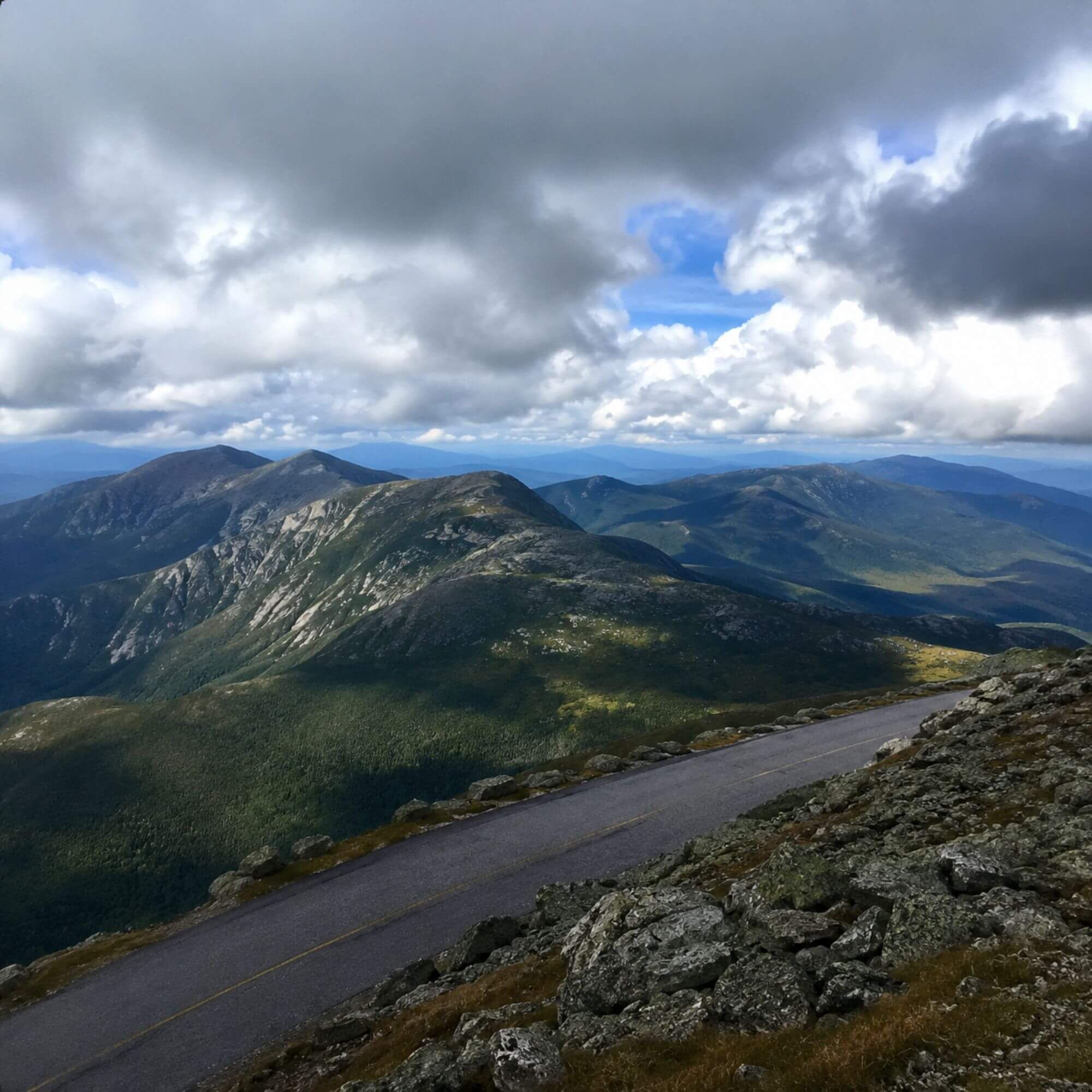
For spectators, this mostly matters if you’re planning to reach the summit by Cog Railway or hoping for a clear view from the base. Conditions at the base in Pinkham Notch can be a pleasant 70-degree August morning while the summit sits in dense fog with near-freezing wind chill, so don’t plan your outfit or your photography around the weather at the bottom of the mountain. Check the Mount Washington Observatory’s higher summits forecast the morning of the race if you want a realistic read on what riders and any summit spectators will be dealing with.
WHERE TO STAY: BEING HONEST ABOUT DISTANCE
The Auto Road starts on Route 16 in Pinkham Notch, on the east side of Mount Washington. That matters for trip planning, because it’s not next door to every part of the White Mountains.
North Conway area rentals put you closest, at roughly 25 miles and about 40 minutes from the base of the Auto Road via Route 16. If watching the race is the main reason for your trip, this is the more convenient side of the mountain to base yourself, and it’s also where you’ll find the widest selection of properties within easy reach. Our North Conway page has the current lineup of homes in that area.
Bretton Woods and Twin Mountain area rentals run roughly 35 to 40 miles and closer to an hour via Route 302 to Route 16 through Glen. That’s still a manageable morning drive if the race is one stop on a bigger White Mountains trip rather than the only reason you’re visiting, and it puts you close to Crawford Notch, the Cog Railway’s base station, and the western side of the national forest for the rest of your stay.
Worth flagging directly: the Cog Railway and the Auto Road are on opposite sides of the mountain, roughly 45 minutes apart by car. It’s a common mix-up for first-time visitors, so if your plan involves both watching the bike race and riding the Cog, build in the drive time between them rather than assuming they’re close together.
WHAT TO BRING IF YOU’RE WATCHING FROM THE BASE
The base area sits at a lower elevation than the summit and generally has far more forgiving weather, but a few things make the morning easier:
- Arrive early. The race starts around 9am, but the parking field fills up with support vehicles heading up before the 8am road closure, plus riders and their own support crews. Getting there by 8am gives you room to park and settle in before things get busy.
- Bring layers regardless of the base forecast. Mornings in Pinkham Notch can be cool even in August, and if you plan to linger for the awards ceremony and lunch afterward, you’ll be outside for a few hours.
- Cash or a card for the vendor fair and lunch. The post-race food and vendor setup is casual, and having a way to pay for a snack or race merchandise is worth planning for.
- A camera with some zoom. Riders finish out of sight of the base area, so most of what you’ll see near the start and finish areas is at a distance unless you’re positioned right at the toll booth.
MAKE A DAY OF IT
If you’re staying on the Bretton Woods or Twin Mountain side, the drive out to Pinkham Notch on race morning is a scenic one in its own right, running through Crawford Notch before joining Route 16. Pair the race with a stop at Franconia or a hike from our guide to hiking trails in the White Mountains on the way back, and check our calendar of White Mountains events in case anything else is happening the same weekend.
If you’d rather watch from above than from the base, our guide to discounted Cog Railway tickets for BWV guests covers how to plan that trip, and our biking in the White Mountains page has more on cycling routes in the area if the hillclimb leaves you wanting to get on a bike yourself, ideally somewhere flatter.
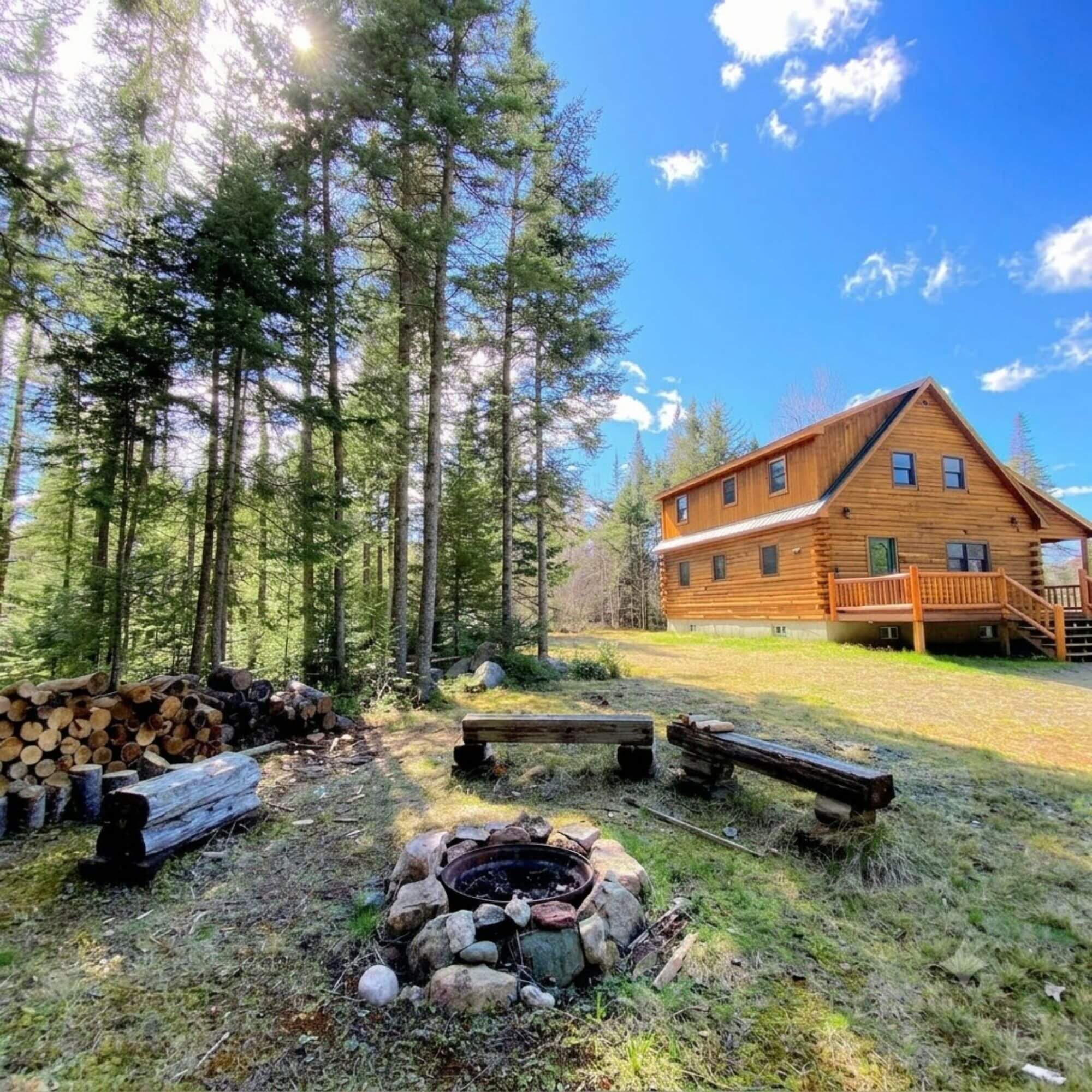
However you plan to watch, Bretton Woods Vacations manages 125+ curated vacation homes across the region, with properties on both the Twin Mountain and North Conway sides of the White Mountains. Our concierge team can help you figure out which side of the mountain makes sense for your specific plans, whether that’s the race, the Cog, or a mix of both, and our full search of available homes is the fastest way to see what’s open for race weekend.
FREQUENTLY ASKED QUESTIONS
Do I need a ticket to watch the Mount Washington Auto Road Bicycle Hillclimb?
No. Unlike the ticketed car race the week before, the bicycle hillclimb is free to watch from the base area and along the accessible parts of the route.
Can I drive up the Auto Road to watch from the top?
Not during the race. The road closes to uphill vehicle traffic once the ride starts, aside from support vehicles that go up before the 8am cutoff. To reach the summit that day, you’d need to book the Cog Railway, which departs from the opposite side of the mountain.
What time does the race start and end?
Based on the event’s official timing window, the race starts around 9am and official timing closes at 12:05pm, though riders continue finishing and returning by car throughout the morning.
Is this the same event as the car race on Mount Washington?
No. The Climb to the Clouds car hillclimb runs the same road August 7-9, 2026, and is a separate, ticketed event with its own Fan Zone and viewing areas. The bicycle hillclimb on August 15 is a different race with free, more informal spectator access.
Where should I stay to watch the race?
North Conway area rentals are closest, at about 25 miles and 40 minutes from the Auto Road base. Bretton Woods and Twin Mountain area rentals run roughly 35 to 40 miles and closer to an hour but keep you nearer to Crawford Notch and the Cog Railway for the rest of your stay.
What benefits from this race?
The event benefits the Tin Mountain Conservation Center, an environmental education nonprofit based in Albany, NH, for whom the race is the largest annual fundraiser.