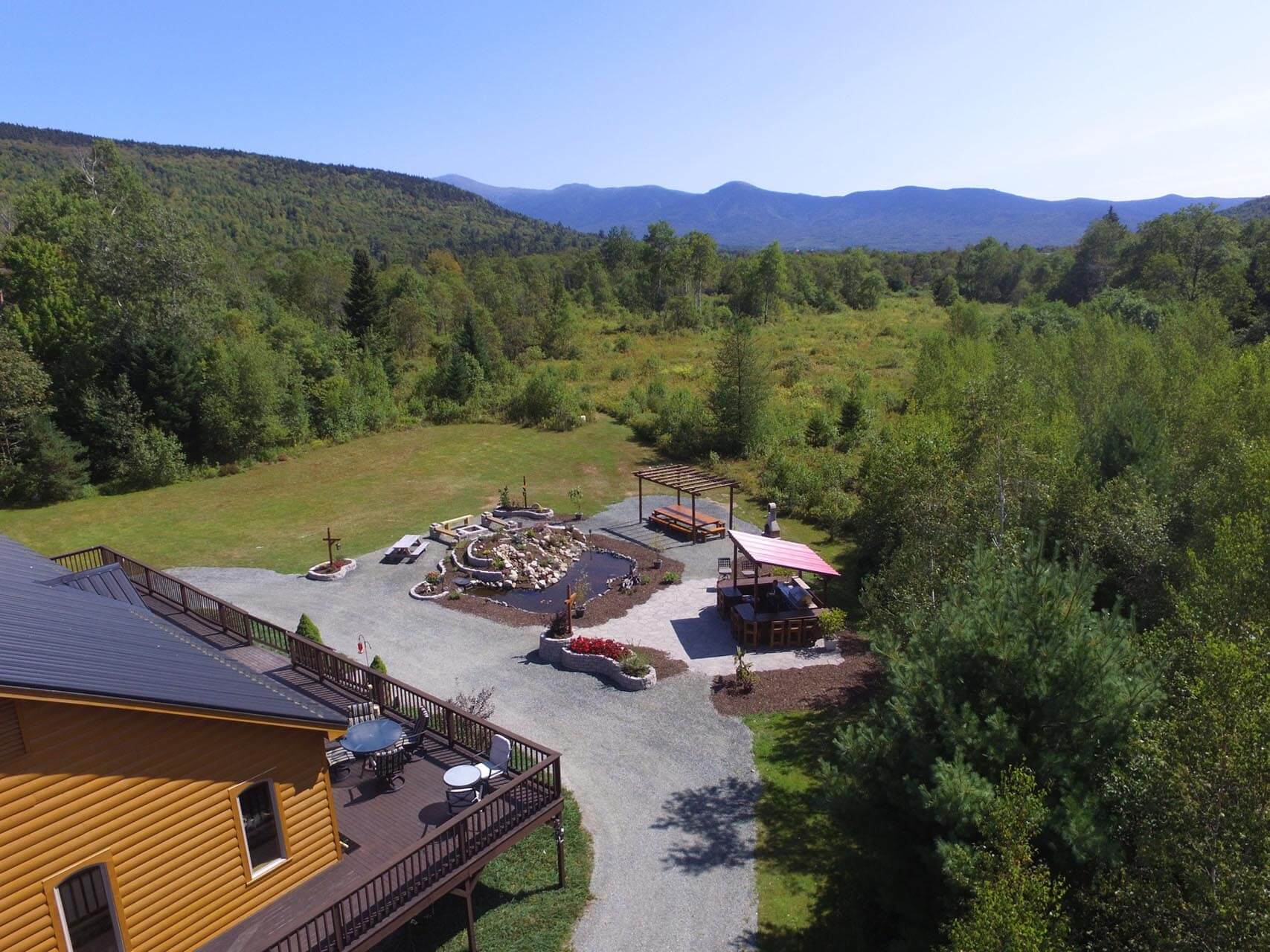

There’s something undeniably appealing about arriving at a vacation home in the mountains. The air feels different, the pace slows, and everything seems set up for ease. Lights work, spaces feel clean and welcoming, and the surroundings invite you to settle in almost immediately.
What most guests don’t see, though, is how much work it takes to make that experience feel effortless.
The Illusion of Effortless Comfort
A well-prepared vacation home creates a kind of quiet impression, it simply works. Nothing feels out of place, and nothing demands attention. But that level of consistency doesn’t happen on its own.
Behind every smooth check-in and comfortable stay is a system of preparation, coordination, and ongoing care. From cleaning schedules to routine inspections, every detail plays a role in maintaining the quality guests expect.
For property owners, especially those managing short-term rentals, this often means developing a structured approach to vacation property upkeep that goes far beyond occasional maintenance. It involves anticipating needs, responding quickly to issues, and ensuring that the home remains ready not just for one stay, but for every stay. When done well, this process becomes invisible to guests, but it’s always there in the background.
Seasonal Demands in Mountain Environments
In places like Bretton Woods, the environment itself adds another layer of complexity. Each season brings its own set of challenges.
Winter requires attention to heating systems, snow management, and insulation. Summer introduces different concerns, ventilation, outdoor maintenance, and increased wear from higher guest turnover. Even transitional seasons can present unexpected issues, from moisture buildup to fluctuating temperatures.
A vacation property in this setting isn’t static. It changes with the environment, and maintaining it means adapting to those changes continuously.
Consistency Across Changing Guests
Unlike primary residences, vacation homes often host a rotating group of guests, each with their own expectations and habits. This creates a unique challenge: maintaining consistency in an environment that is constantly being used in different ways.
Small details matter more than they might in a private home. Cleanliness must meet a high standard every time. Appliances need to function reliably. Supplies must be stocked and ready without exception.
What might be a minor inconvenience in a personal space can become a significant issue in a rental setting. That’s why systems and routines are essential, they create a baseline that ensures each guest has a similar experience.
The Role of Professional Management
For many property owners, managing all of this independently can become overwhelming. Coordinating cleaning, maintenance, guest communication, and seasonal preparation requires both time and organization.
Professional services often step in to bridge that gap. They bring structure to the process, handling logistics that would otherwise require constant attention from the owner.
This doesn’t remove responsibility, but it does redistribute it. Instead of reacting to issues as they arise, property owners can rely on established systems to maintain consistency.
Expectations in Modern Travel
Guest expectations have evolved significantly in recent years. Travelers are no longer comparing vacation rentals only to other homes, they’re comparing them to hotels.
That means higher standards across the board. Cleanliness, responsiveness, and overall presentation all influence how a property is perceived. A single overlooked detail can affect reviews and future bookings.
According to the U.S. Travel Association, traveler expectations around cleanliness and reliability have become central to the overall experience. For property owners, meeting these expectations requires more than occasional effort, it requires a consistent, proactive approach.
The Cost of Overlooking Maintenance
One of the easiest mistakes to make in property management is delaying maintenance. Small issues, like a minor leak or a worn fixture, can seem insignificant at first, but they rarely stay that way.
Over time, these small problems can develop into larger, more expensive repairs. In a vacation home, they can also affect guest experience, leading to disruptions that could have been avoided.
Preventative maintenance is not just about protecting the property, it’s about preserving the experience it offers.
Creating a Space That Feels Reliable
What makes a vacation home stand out isn’t just its location or design, it’s how reliable it feels. Guests notice when everything works as expected. They notice when spaces feel cared for.
This sense of reliability builds trust. It encourages repeat visits and positive recommendations. And it’s built through consistent attention to detail rather than occasional effort.
A Different Kind of Ownership
Owning a vacation property is often associated with freedom, the ability to escape, to enjoy a different pace of life. But it also comes with a different kind of responsibility.
Unlike a primary residence, a vacation home must function well even when the owner isn’t there. It needs to be self-sustaining in a way, supported by systems and routines that ensure everything runs smoothly.
This shift, from personal use to shared experience, changes how the property is managed.
The experience of staying in a vacation home may feel simple, but the work behind it is anything but. It’s a continuous process of preparation, maintenance, and adaptation.
For guests, this work remains largely invisible. But for property owners, it defines the difference between a space that simply exists and one that consistently delivers a high-quality experience.
In the end, what makes a vacation home truly memorable isn’t just where it is, it’s how well it’s cared for, long before anyone arrives.